

While color is one of the primary indicators of sales success within the fashion industry, it’s also one of the world’s largest sources of water pollution. In fact, textile mills often dump residual dyes and hazardous chemicals into canals, streams and rivers.
At NC State, researchers from the College of Natural Resources and the Wilson College of Textiles have developed a process that could someday solve this problem — and it involves the use of nanoscopic particles extracted from wood.
“Textile mills use dyes and other coloration agents that are very toxic,” saidNathalie Lavoine,森林生物材料系的助理教授。“使用纳米纤维素是可持续加工的前进道路。”
纳米纤维素是一种从纤维素中提取的天然物质,这是植物细胞壁的主要物质。它分为两种类型:纳米晶体和纳米纤维,它们都是可生物降解且无毒的。前者也比钢强。
With funding from the Research Opportunity Seed Fund Program at the Wilson College of Textiles, Lavoine and her collaborators have developed a process that allows them to use nanocellulose to produce clothing items with iridescent features resembling the rainbow-hued shimmer seen on fish scales, bird feathers and insect bodies.
Lavoine说:“研究人员知道如何使用这些纳米颗粒制作虹彩电影。”“但是直到现在,还没有办法将这些粒子应用于纺织品。”
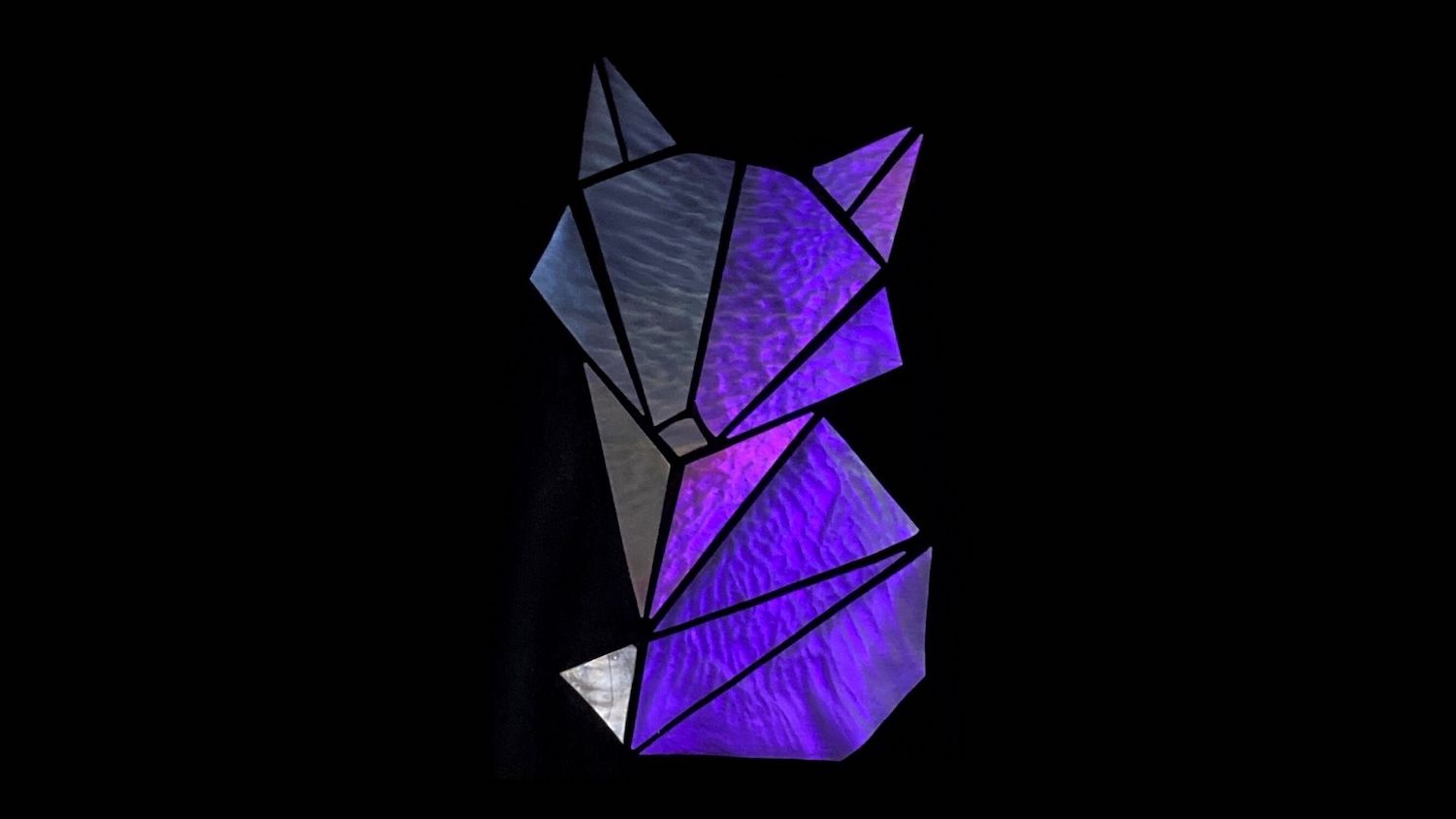
The researchers extract cellulose from wood chips and the pulp used in papermaking and combine it with water, treating the resulting mixture with acid to uncover nanocrystals. They then purify the mixture to remove undesired components.
Once the purification process is complete, the researchers add the mixture to frames so that it can solidify into plastic-like films. Then, using a computer-aided design table, they cut the films into shapes and patterns that can be printed onto clothing items.
Lavoine said the use of nanocellulose in textiles ensures the sustainable use of natural resources, opening a path for novel uses of both low-grade wood and traditional timber sources. It could also reduce dye pollution from the fashion industry.
联合国环境计划发现,织物的染色过程不仅是第二大水污染来源,而且仅仅是时尚行业就会生产全球20%的废水。
While Lavoine and her collaborators haven’t figured out how to provide all colors, they’re currently working on it. They’re also testing the application of nanocellulose on a variety of other items, including phone cases.
Lavoine说:“我们可以将这项工作扩展到纺织品的范围内。”“唯一的限制是我们的想象力。”
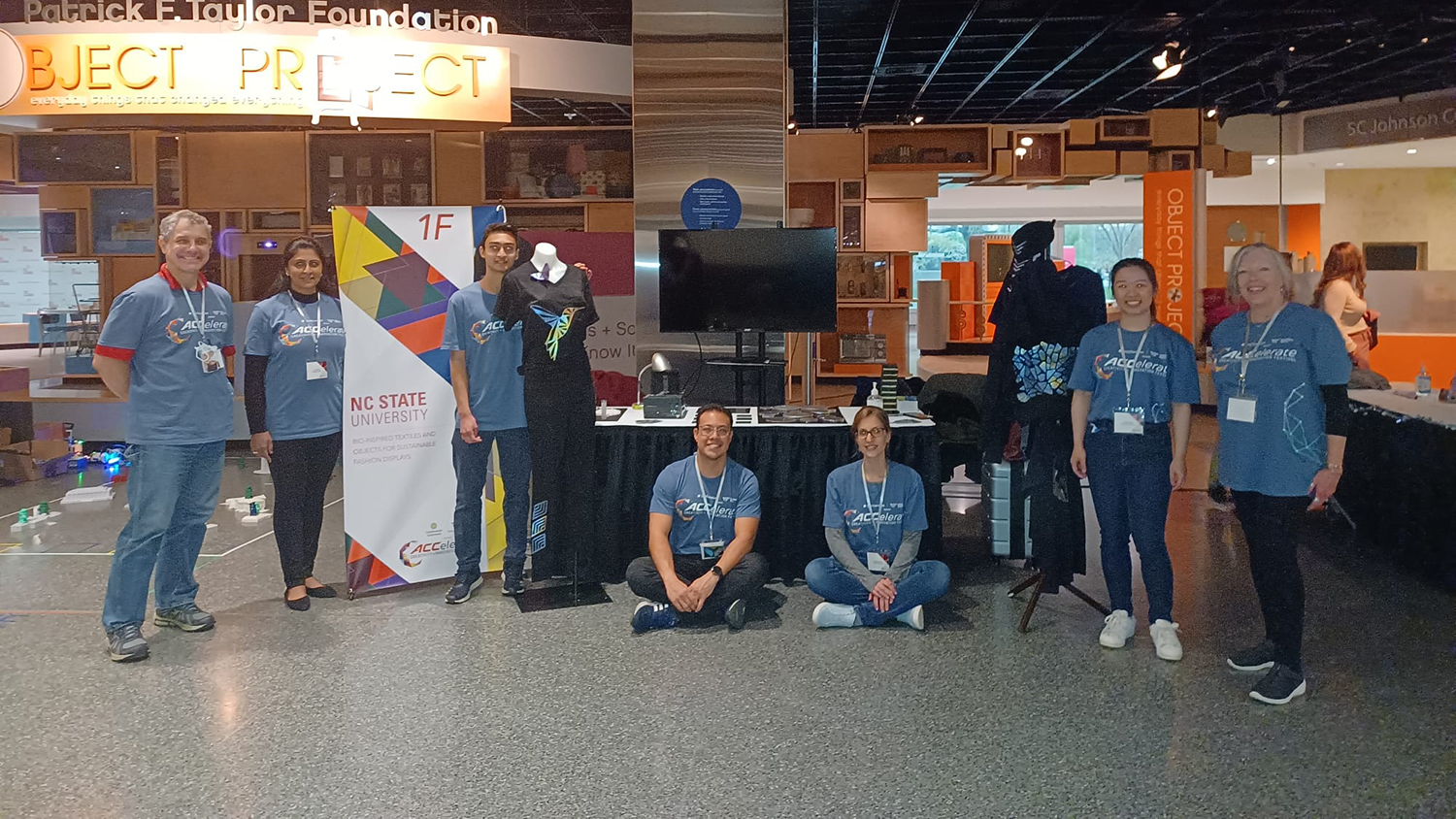
Lavoine and her collaborators recentlypresented their workat the 2022 ACCelerate Festival in Washington, D.C. The three-day event, hosted at the Smithsonian National Museum of American History, showcases “creative exploration and research at the nexus of science, engineering, arts and design” across the Atlantic Coast Conference.
Going forward, the researchers will collaborate with NSF I-Corps to commercialize their work. The training program aims to help NC State researchers transition their ideas and inventions into the marketplace through customer discovery and market research.
“There’s still a lot of research to be done,” Lavoine said. “But ultimately, we’d like to find one or two industry partners who can bring commercial value to this project.”
这篇文章是originally publishedin College of Natural Resources News.
- Categories:


