通用设计如何告知包容性时尚
凯瑟琳·安妮特·希区柯克(Katherine Annett-Hitchcock)看到时尚的需求更具包容性后政治综合征,这种情况会导致一个人的肌肉随着时间的流逝而减弱,要求安妮特·希区柯克(Annett-Hitchcock)制作一些个性化的礼服。
该要求最终使她研究了“通用设计”,该术语描述了设计产品和空间的实践,这些产品和空间可容纳各种物理和智力能力。现在,安妮特·希区柯克(Annett-Hitchcock)是北卡罗来纳州威尔逊纺织学院的副教授,他激励学生学习如何将通用设计的概念应用于服装。
今年春天,安妮特·希奇科克(Annett-Hitchcock)正在与凯瑟琳·沃兹尼亚克(Kathryn Wozniak),是北卡罗来纳州立大学工业设计助理教授,教练时装,纺织品和设计学生,为北卡罗来纳州脊髓损伤协会主持的时装秀创作服装和配饰。
此外,安妮特·希区柯克(Annett-Hitchcock)的两名学生萨布丽娜·马丁(Sabrina Martin)和玛丽·格蕾丝·怀尔德(Mary Grace Wilder)正在成立一家公司以商业化他们在去年秋天的一门课程中提出了包容性的设计。
抽象与安妮特·希区柯克(Annett-Hitchcock)谈到了时尚的包容性或适应性意义。
The Abstract:什么是自适应或包容性衣服?这些术语可以互换吗?
安妮特·希区柯克:如果您适应某些内容,则将其更改或进行调整,以特别需要。鉴于,如果您谈论设计中的包容性,则意味着设计师专注于创建可以从一开始的许多人可以使用的东西。
这可以追溯到由建筑师开发的通用设计原则,罗恩·梅斯(Ron Mace)在北卡罗来纳州立大学学习,并在设计学院建立了普遍设计中心。这是我想要的一个主要原因at this university – it was a huge deal. If you look at the principles of universal design, they’re about inclusivity.
If you think about the built environment, [universal design] was about designing items to be used no matter your physical ability. Think about door handles. Not everybody can grip a rounded door handle. But if you’re carrying a lot of stuff, the horizontal lever will allow you to open that door without a lot of effort.
ta:时尚如何融合自适应或通用设计?
安妮特·希区柯克:现在可能在公众眼中最受欢迎的品牌正在调整现有服装以适应它们。现在有越来越多的品牌专注于特定项目。有一家公司的牛仔裤具有适应性功能的牛仔裤。也有较大的零售商进入自适应市场。在过去的四到五年中,这种情况已经成长。当我第一次来到NC State时,我本可以进行Google搜索并看到了两件事,现在我现在看到了项目和链接的页面。
该行业(意味着标准化,大规模生产的时尚)到达这一点的速度很慢,因为他们将其视为一个消费者的市场。该行业需要数字来接受一个概念,我认为随着更多的激进主义者挺身而出并要求改变,这些数字开始变得有意义。
ta:如果人们不能从架子上购买所需的东西,该怎么办?
安妮特·希区柯克: Some people have things custom tailored for them, but most retailers don’t have a tailor on hand. You have to know a family member or business who can make adaptations for you.
ta:您的两个学生现在正在一家公司致力于将自适应/包容性服装商业化。您做了什么来激发他们的灵感?
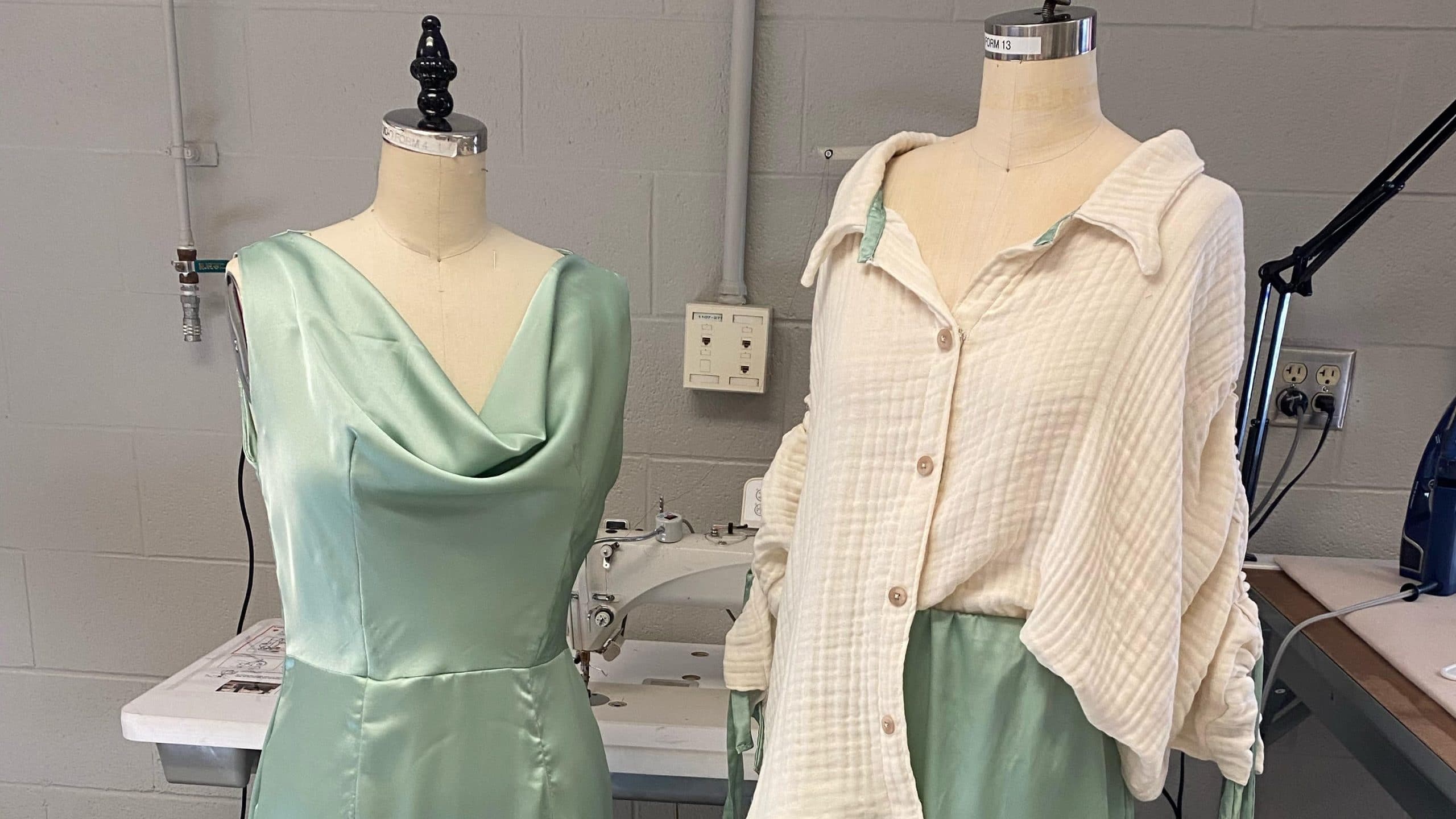
安妮特·希区柯克: I told them from the start that the best inclusive or universally designed features are supposed to be applicable to many people. For one of their designs – a shirt – it was about creating a sleeve that is geared to the needs of the wearer. To create the sleeve, we thought about designing it like a curtain you can pull up on and it gathers on a ribbon. You can take that sleeve end and pull up on it. It just happens that if you have an arm amputation, if you wanted to have both your sleeves the same length, this design would conceal the amputation, or you could pull up the sleeve so it’s shorter. The choice to conceal or reveal can be a very personal one, and this design gives people a choice. That shirt could be equally usable by someone, say, if they’re running around after their kids and they want to shorten the sleeves for practicality.
ta:您的研究如何探讨这个主题?
安妮特·希区柯克:我参与了一个专注于身体扫描的项目。我们想将该技术纳入残疾消费者的虚拟现实中。如果我们可以在头像上设计衣服,人们就可以看到自己的衣服,这带来了让人们亲自进行现场直播配件的不便和可用性问题。
ta: What is the future of adaptive or inclusive fashion?
安妮特·希区柯克: It’s about encouraging and being inclusive from the very beginning – not only in what you design, but who you are including in the conversation.
- 类别: