
Being Certain About Uncertainty
Editor’s Note:This is a guest post byGerald LeBlanc, a toxicologist and professor of biological sciences at NC State. This post is part of a series by NC State researchers that addresses uncertainty in science. Uncertainty is a topic that is often misunderstood by people outside of the research community, and people often think that uncertainty means researchers have no idea what is true. This series aims to address these misconceptions about uncertainty in research. As additional posts are added to the series, you’ll be able to在这里找到它们.
Non-scientists – legislators, judges and juries – are often called upon to reach scientific conclusions.
Recently,陪审团授予个人8000万美元,得出结论,除草剂显着促进了他对非霍奇金淋巴瘤的发展。去年,一名加利福尼亚法官下令咖啡包必须包含一个标签警告用户产品mersthat it contains a chemical known to cause cancer. Such conclusions are usually made following input from scientists paid by parties to the litigation. However, scientific conclusions are often accompanied by some level of uncertainty that is often not conveyed or not recognized by non-scientists.
Uncertainty is the engine that drives science advancement.
In its simplest form, uncertainty is that which we don’t understand or are unsure of. Scientists strive to understand the natural world and thereby reduce uncertainty. When uncertainty is sufficiently reduced, scientists speak with surety. However, when uncertainty is high, scientists speak equivocally. This frustrates non-scientists who are then forced to reach their own scientific conclusions.
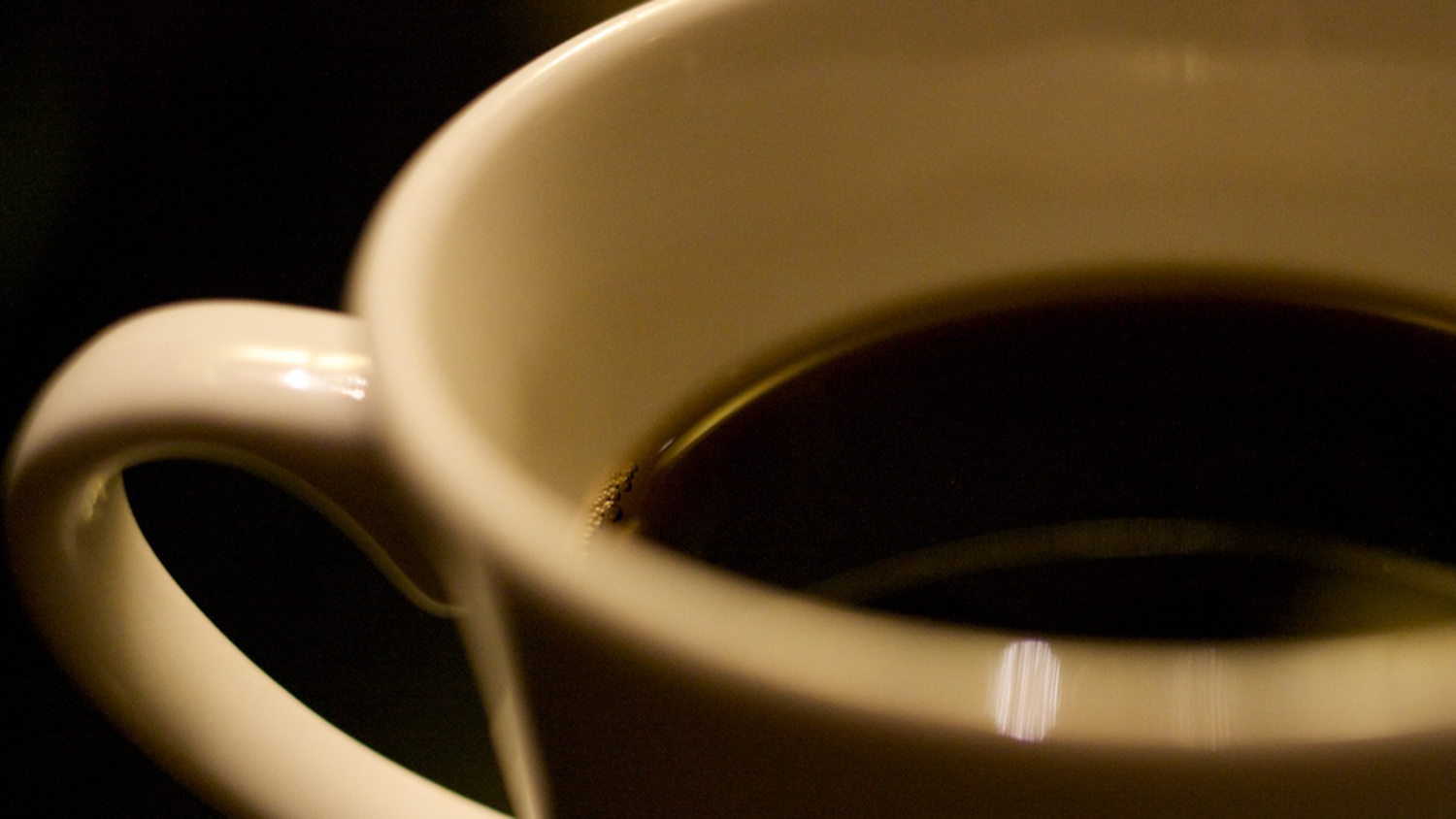
Take, for example, coffee package labels in California. A chemical, acrylamide, is known to cause cancer in laboratory rodents. We know that acrylamide is produced during the roasting of coffee. Is it therefore reasonable to conclude that coffee contains a chemical known to cause cancer in humans? No, because there is much uncertainty about whether lab rodents and humans process acrylamide in the same manner. Further, even if a chemical has the ability to cause cancer, that doesn’t mean that coffee drinkers are ever exposed to enough of the chemical to actually develop cancer. There is simply too much uncertainty to conclude that acrylamide poses a cancer risk in humans.
将咖啡标记为含致癌的产品将导致许多人得出结论,喝咖啡会增加患癌症的风险。他们可能会选择避免咖啡。这是一个个人决定。但是,是否应对每位饮用癌症的咖啡生产商负责财务责任?这就是必须考虑科学不确定性的地方。
Extrapolating results from animal studies to humans is beset with uncertainty. Ethical considerations prevent scientists from administering acrylamide to humans and measuring the subsequent incidences of cancer. However,epidemiological studies可以协助评估丙烯酰胺引起人类癌症的可能性。在工业上暴露于高水平丙烯酰胺的工人的流行病学研究并未揭示出癌症的风险增加。此外,对咖啡饮用者的流行病学研究表明,癌症的风险没有增加。实际上,这些研究表明,咖啡消费实际上可以防止某些癌症。假设这些研究具有足够高的口径,我们可以得出结论,咖啡没有明显的癌症风险。
The judge’s coffee-labeling edict has been challenged by California’s Office of Environmental Health Hazard Assessment, which concluded that consuming acrylamide in coffee poses no significant cancer risk. That is what science is all about, beginning with a position wrought with uncertainty and seeking an answer having a high degree of certainty.
科学家确定地接受研究结果。黄金标准对研究结果有效95%。精心设计的研究结合了检测和量化与结果相关的不确定性的策略。通常,将几项不同研究的结果组合和重新分析,以确定研究之间的不确定性水平是否足够低以接受结论。不确定性不一定是糟糕的,只需要在最终研究结论中得到认可和考虑。
So, the next time you read a report of some scientific observation that has bearing on your personal lifestyle, search the report for a discussion of uncertainties associated with the observation. Alternatively, consider what uncertainties might render the observation questionable and attempt to establish whether these uncertainties have been addressed. Consider whether you should modify your lifestyle only after considering both the study conclusion and the uncertainties associated with the conclusion. Acrylamide might cause cancer in rats, but your morning cup-o-joe should be savored, not feared.
- Categories:


This article can be used to justify the claims that climate change does not exist, that sea-level rise is a hoax, that humans are not responsible for any increases in atmospheric CO2, and that humans should not do anything about environmental problems because the data is supposedly uncertain. I think that this is unfortunate.