Bees ‘Self-Medicate’ When Infected With Some Pathogens
从北卡罗来纳州立大学的研究表明,当他们的殖民地感染有害真菌时,蜂蜜蜜蜂“自我用手”,从而增加了抗真菌植物树脂的量增加,以抵御病原体。
“The colony is willing to expend the energy and effort of its worker bees to collect these resins,” says Dr. Michael Simone-Finstrom, a postdoctoral research scholar in NC State’s Department of Entomology and lead author of a paper describing the research. “So, clearly this behavior has evolved because the benefit to the colony exceeds the cost.”

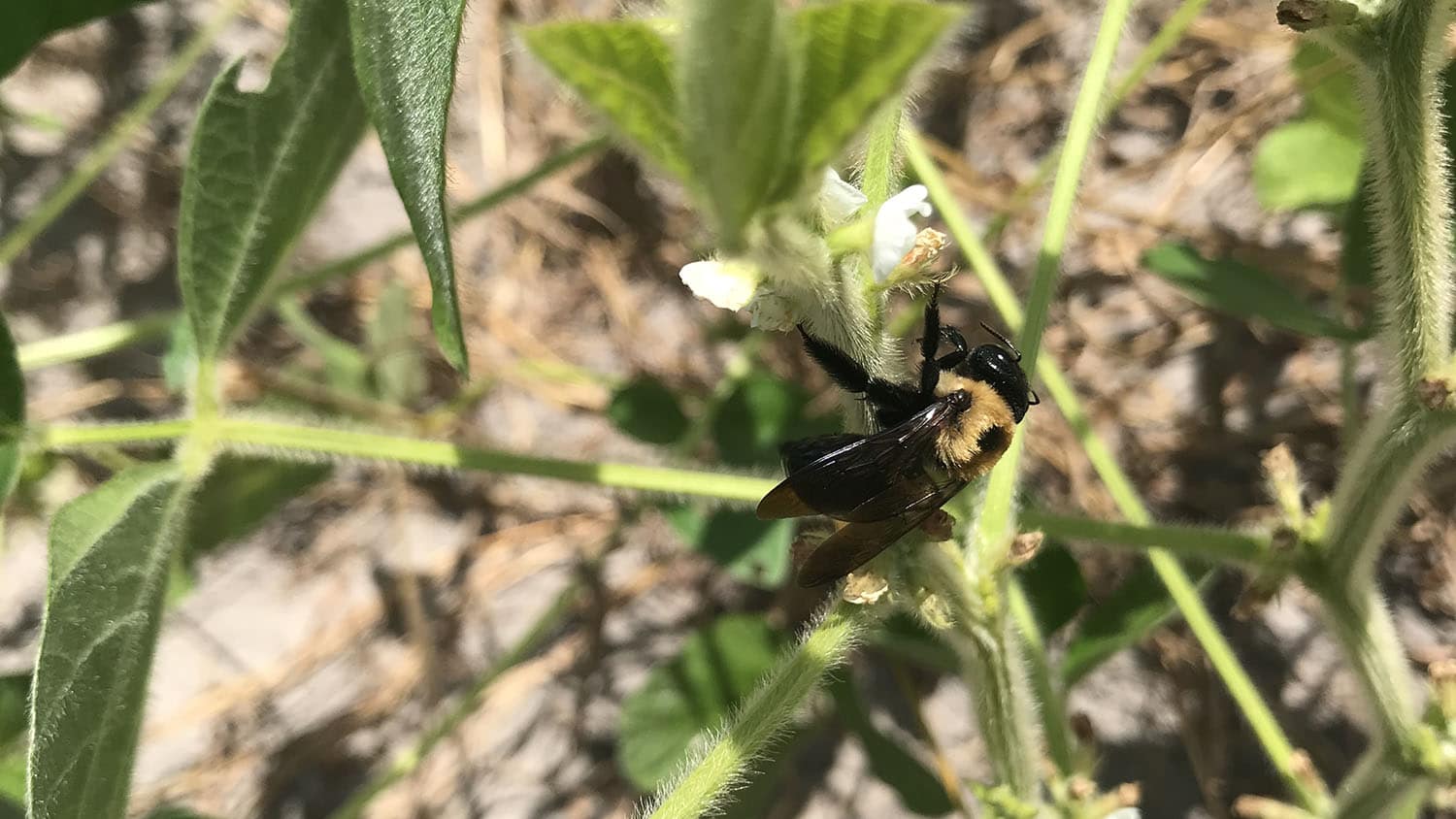
野生蜂蜜蜜蜂通常用蜂胶用蜂窝线,植物树脂和蜡的混合物,具有抗真菌和抗菌性质。驯养的蜂蜜蜜蜂也使用蜂胶,填补他们荨麻疹的裂缝。然而,研究人员发现,当面对真菌威胁时,蜜蜂会带来更多的蜂胶比例更高 - 45%,平均。蜜蜂也物理地移除了被真菌寄生化的感染幼虫,并用于产生真菌孢子。
研究人员知道蜂胶是一种有效的抗真菌剂,因为它们用蜂胶提取物排出了一些荨麻疹,发现提取物显着降低了感染率。
显然蜜蜂有时可以区分免受无害的真菌,因为菌落没有增加蜂胶在感染无害的真菌物种时的量增加。相反,菌落依赖于物理地去除孢子。
但是,自我药物行为确实有限制。感染致病性细菌的蜂蜜蜜蜂菌落并没有带来更多蜂胶 - 尽管蜂胶也具有抗菌性质。“略微增加,但它没有统计学意义,”Simone-Finstrom说。“这是我们打算跟进的东西。”
家庭养蜂人可能有一个课程。“从历史上看,美国养蜂人优先使用含有较少这种树脂的殖民地,因为它是粘性的,并且可能难以使用,”Simone-Finstrom说。“现在我们知道这是一个值得推广的特征,因为它似乎提供了一些自然防御。”
本文,“寄生虫挑战后的树脂收集增加:蜂蜜蜜蜂中自我用药的情况?,“明尼苏达大学Marla Spivak博士共同撰写,并于3月29日出版普罗斯一体。该研究由国家科学基金会资助。
- 船员 -
编辑注:这项研究摘要跟随。
“寄生虫挑战后的树脂收集增加:蜂蜜蜜蜂中的自我用药的情况?”
作者:Michael D. Simone-Finstrom,北卡罗来纳州立大学;明尼苏达大学Marla Spivak
发表:2012年3月29日普罗斯一体
抽象的:构成的恒压寄生虫引起d species throughout the animal kingdom to evolve suites of mechanisms to resist infection. Individual barriers and physiological defenses are considered the main barriers against parasites in invertebrate species. However, behavioral traits and other non-immunological defenses can also effectively reduce parasite transmission and infection intensity. In social insects, behaviors that reduce colony-level parasite loads are termed “social immunity.” One example of a behavioral defense is resin collection. Honey bees forage for plant-produced resins and incorporate them into their nest architecture. This use of resins can reduce chronic elevation of an individual bee’s immune response. Since high activation of individual immunity can impose colony-level fitness costs, collection of resins may benefit both the individual and colony fitness. However the use of resins as a more direct defense against pathogens is unclear. Here we present evidence that honey bee colonies may self medicate with plant resins in response to a fungal infection. Self-medication is generally defined as an individual responding to infection by ingesting or harvesting non-nutritive compounds or plant materials. Our results show that colonies increase resin foraging rates after a challenge with a fungal parasite (Ascophaera apis: chalkbrood or CB). Additionally, colonies experimentally enriched with resin had decreased infection intensities of this fungal parasite. If considered self-medication, this is a particularly unique example because it operates at the colony level. Most instances of self-medication involve pharmacophagy, whereby individuals change their diet in response to direct infection with a parasite. In this case with honey bees, resins are not ingested but used within the hive by adult bees exposed to fungal spores. Thus the colony, as the unit of selection, may be responding to infection through self-medication by increasing the number of individuals that forage for resin.
- 类别: